Personalized Medical Care & Dedicated International Patient Concierge

Medical Guide
Thread Lifting vs Energy Lifting: Facelift Alternatives
Compare thread lifting and energy-based lifting like Ultherapy and Thermage FLX: mechanisms, candidacy, downtime, longevity, risks, and facelift limits.
Schedule a ConsultationThread Lifting vs Energy-Based Lifting: Comparing Non-Surgical Face-Lift Alternatives
Medically reviewed by Dr. Kun Woo Kang, Korean Board-Certified Dermatologist
Patients researching facial rejuvenation in Korea often run into two very different families of "lifting" treatment: thread lifting, which uses fine absorbable threads to physically suspend tissue, and energy-based lifting, which uses ultrasound or radiofrequency to stimulate collagen. Both are frequently described as "non-surgical face-lift alternatives," but that phrase is easy to misread. This guide explains how each approach works, who tends to be a candidate, what recovery and longevity look like, and — importantly — why neither one is the same thing as a surgical facelift. Every treatment decision should be individualized, and results vary from person to person.
Two Different Ways to Address Facial Laxity
As skin ages, it loses collagen and elastin, and the deeper support structures of the face gradually descend. This produces the softening jawline, mid-face sagging, and jowling that many patients want to address. Non-surgical approaches try to counteract this in one of two ways.
Thread lifting works mechanically and regeneratively at the same time: fine absorbable threads are placed beneath the skin to lift sagging tissue immediately, while also stimulating the body's own collagen production as the material dissolves. Energy-based lifting works purely regeneratively: a device delivers focused heat to specific tissue depths, which prompts existing collagen to contract and new collagen to form over the following months. Understanding this basic mechanical-versus-thermal distinction is the foundation for comparing the two categories fairly.
How Thread Lifting Works
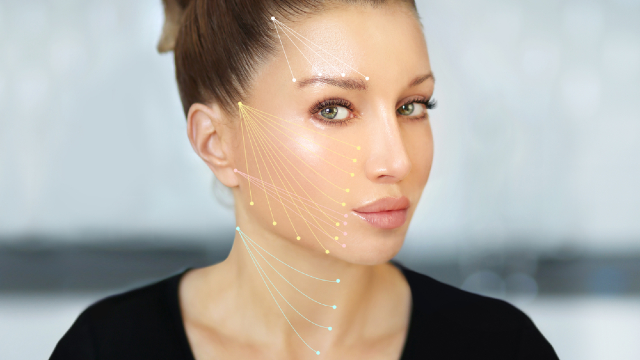
Thread lifting is a minimally invasive procedure that uses fine absorbable threads inserted beneath the skin through small entry points. The threads mechanically lift sagging facial tissue while stimulating collagen production, and they are placed along carefully mapped anatomical pathways so that the lifting effect is immediate, with regenerative improvement developing over weeks and months. At Newstar Clinic, thread lifting is performed under local anesthesia, and the insertion points, direction, and tension are individually planned according to each patient's facial structure, degree of laxity, and aesthetic goals.
The material matters, and different thread systems use different polymers. Some threads are made of PDO (polydioxanone), an absorbable suture-family material. Others use PLLA (poly-L-lactic acid); Silhouette Soft is the international/MFDS-CE thread name, and its US FDA-cleared counterpart is Silhouette InstaLift, which is made of PLLA/PLGA absorbable sutures. It is worth noting the regulatory language here: absorbable-suture thread devices are FDA cleared through the 510(k) pathway (meaning they were shown to be substantially equivalent to a legally marketed device), which is different from FDA approval — a distinction the FDA itself explains. Regardless of the specific polymer, the shared idea is a temporary scaffold that lifts now and stimulates collagen along the way.
If you are trying to understand which thread system, if any, might suit your face, the most reliable starting point is an in-person assessment. You can learn more about the clinic's approach on the Newstar Clinic homepage.
How Energy-Based Lifting Works
Energy-based lifting uses controlled energy to stimulate collagen remodeling at specific tissue depths, producing gradual, natural-looking tightening without incisions. Two of the most widely recognized, US-FDA-cleared devices in this category illustrate the two main energy types.
Ultherapy uses high-intensity focused ultrasound (HIFU) to deliver thermal energy into deeper layers, including the SMAS (the muscle-fascia layer that surgeons also address). It is FDA-cleared as a microfocused ultrasound device for lifting indications. At Newstar Clinic, Ultherapy Prime treatment is guided by real-time ultrasound imaging so energy is delivered to the intended depth, and parameters are customized per facial zone. Initial improvements may appear within a few weeks, with visible lifting typically developing over two to three months as collagen remodels.
Thermage FLX uses monopolar capacitive radiofrequency (RF) energy delivered into the dermis to tighten existing collagen fibers immediately while stimulating progressive collagen renewal over the following months. It is FDA-cleared as an RF skin-tightening device. Because HIFU and RF reach tissue differently — focused ultrasound at defined depths versus volumetric radiofrequency heating — they are not interchangeable, and a clinician may consider one, the other, or neither based on your skin.
Both device families share a key trait: they add no threads and remove no skin. They rely entirely on your body's collagen response, which is precisely why results are gradual and vary between individuals.
"Non-Surgical" Does Not Mean "Facelift"
This is the single most important point in the comparison, and it applies to both categories equally. A surgical facelift (rhytidectomy) is an operation in which facial soft tissues are lifted, excess skin is removed, and the skin is redraped over repositioned contours, as Mayo Clinic describes. Thread lifting and energy-based lifting do none of that. They do not remove excess skin and they do not reposition tissue the way surgery does.
When these treatments are called "non-surgical face-lift alternatives," the honest meaning is alternatives to having surgery — options for people who want improvement without an operation — not treatments that produce a surgical-grade result. For patients with significant skin laxity or substantial tissue descent, non-surgical devices and threads may deliver only modest change, and the appropriate step is a referral to a board-certified plastic surgeon to discuss surgical options. A responsible clinic will tell you when your goals exceed what a non-surgical treatment can realistically achieve rather than overselling a device. If you would like an honest assessment of whether a non-surgical option fits your goals, you can contact Newstar Clinic to arrange a consultation.
Comparing Candidacy, Downtime, and Longevity
Because the mechanisms differ, so do the practical details.
Candidacy. Thread lifting is generally considered for early to moderate facial laxity — a softening jawline, mid-face descent, jowling, or loss of contour — in patients who want meaningful lifting without surgery. Energy-based lifting is often considered for mild to moderate laxity and for patients who prefer no added structure and want gradual firming. Neither is appropriate for advanced sagging, and suitability is always determined individually.
Downtime. Energy-based treatments are typically same-day recovery procedures; patients may notice mild redness, swelling, or tenderness that resolves within hours to a few days. Thread lifting is also minimally invasive but involves entry points beneath the skin, so mild swelling or tenderness for a few days is common, and there may be brief activity restrictions.
Longevity. Neither result is permanent. Collagen-driven improvement from energy devices develops over months and is generally maintained with periodic sessions. Thread lifting provides immediate mechanical lift that gradually softens as the threads absorb, alongside the collagen they stimulate. Because outcomes depend on skin quality, age, technique, and lifestyle, no clinic can promise a specific duration, and results vary. It is also worth remembering that maintenance for either approach is ongoing rather than a one-time event, so it is helpful to think about your long-term routine, not just the first treatment.
Understanding the Realistic Risks
No aesthetic procedure is risk-free, and informed consent means understanding the realistic possibilities.
Thread lifting carries risks that are specific to placing physical threads: dimpling or skin irregularity, visible or palpable threads, thread extrusion (a thread working its way toward the surface), asymmetry, bruising, swelling, and, less commonly, infection. Published reviews of thread-lift complications report dimpling and swelling among the more frequent issues, with extrusion and infection occurring less often. Many minor issues resolve or can be corrected, but they are real considerations.
Energy-based lifting carries risks related to heat delivery: temporary redness, swelling, tenderness, or tingling, and — rarely, particularly with older or improperly used equipment — the possibility of burns, nerve-related sensations, or uneven results. Serious complications are uncommon when treatment is performed by a qualified, experienced practitioner. In every case, risk is reduced by careful patient selection, appropriate technique, and realistic expectations.
Choosing Between Them Is Individualized
There is no universally "better" option between threads and energy, and no single treatment is right for everyone. Some patients are better suited to one; some benefit from a combination approach; and some are better served by surgery. The choice depends on the type and degree of laxity, skin thickness and quality, prior treatments, recovery tolerance, and personal goals. A thorough consultation — including a hands-on facial assessment and a candid discussion of what each option can and cannot do — is the only reliable way to decide. Newstar Clinic uses an individualized, physician-led planning process rather than a one-size-fits-all protocol, and its role is to help you weigh the trade-offs, not to declare a winner.
The Bottom Line
- Thread lifting lifts tissue mechanically with absorbable threads while stimulating collagen; energy-based lifting (such as Ultherapy HIFU and Thermage FLX RF) stimulates collagen with focused heat and adds no threads.
- Neither thread lifting nor energy-based lifting is a surgical facelift; "non-surgical face-lift alternatives" means alternatives to surgery, not equivalents to it.
- Significant skin laxity or substantial tissue descent should be referred to a board-certified surgeon, because non-surgical options may deliver only modest change.
- Realistic risks differ: threads can cause dimpling, extrusion, or asymmetry, while energy devices can cause temporary redness or, rarely, burns; results are gradual and vary by individual.
- There is no single best choice — the right approach is decided individually after a professional facial assessment.
Frequently Asked Questions
Is thread lifting or energy-based lifting the same as a facelift?
No. A surgical facelift removes excess skin and repositions deeper tissue during an operation. Thread lifting and energy-based lifting are non-surgical treatments that lift or firm without removing skin, so they are alternatives to surgery rather than substitutes for a surgical result. Significant laxity is usually better discussed with a surgeon.
Which lasts longer, threads or energy-based treatments?
Neither is permanent, and longevity depends on the individual. Thread lifting gives an immediate mechanical lift that softens as the threads absorb, while energy-based treatments produce gradual collagen-driven firming that is typically maintained with periodic sessions. Because outcomes vary with age, skin quality, and technique, no specific duration can be guaranteed.
Are Ultherapy and Thermage FDA-approved?
Ultherapy (microfocused ultrasound) and Thermage FLX (radiofrequency) are US-FDA-cleared devices for their intended lifting and tightening indications. Note that "cleared" through the 510(k) pathway is a different regulatory status than "approved," a distinction the FDA explains publicly. Clearance is not a guarantee of a specific result for any individual.
What are the main risks of thread lifting?
Thread-specific risks include dimpling or skin irregularity, visible or palpable threads, thread extrusion, asymmetry, bruising, swelling, and, less commonly, infection. Many minor issues resolve or can be corrected, but they should be discussed during consultation and informed consent. Careful placement and appropriate patient selection help reduce these risks.
I have a lot of sagging. Which treatment should I choose?
If you have significant skin laxity or substantial tissue descent, non-surgical threads and energy devices may only produce modest improvement. In that situation, the appropriate step is an evaluation by a board-certified plastic surgeon to discuss surgical options. A responsible clinic will tell you honestly when your goals exceed what a non-surgical treatment can achieve.
Can thread lifting and energy-based lifting be combined?
In some cases a clinician may consider using more than one modality, since they work through different mechanisms. Whether combining treatments is appropriate depends on your anatomy, goals, and skin condition, and it must be planned individually by your physician. It is not automatically better, and it is not right for everyone.
How do I decide which option fits me?
The most reliable way is an in-person consultation that includes a hands-on facial assessment and a candid discussion of what each option can and cannot do. Factors include the type and degree of laxity, skin quality, prior treatments, and your tolerance for downtime. Results vary, so an individualized plan is more meaningful than any general ranking.
This article is for general educational purposes about aesthetic and cosmetic-dermatology treatments and does not constitute medical advice, a diagnosis, or a treatment recommendation. Outcomes vary between individuals, and no result is guaranteed. Always consult a qualified physician about your specific situation before making any treatment decision. It is not a self-diagnosis tool.
More Articles
Continue reading our clinical guides.
Ultherapy Prime Seoul: What Drives Treatment Pricing
Understand the factors behind Ultherapy Prime pricing in Seoul, from lines and coverage area to session planning and genuine transducers. Ask the clinic.
Learn More
Thread Lifting vs Energy Lifting: Facelift Alternatives
Compare thread lifting and energy-based lifting like Ultherapy and Thermage FLX: mechanisms, candidacy, downtime, longevity, risks, and facelift limits.
Learn More

Why Newstar Clinic Puts an Anesthesiologist on the Team
Newstar Clinic includes a Korean board-certified anesthesiologist in its treatment team. Learn how monitoring and safety oversight support aesthetic care.
Learn More