Personalized Medical Care & Dedicated International Patient Concierge

Medical Guide
Thread Lifting Factors: Thread Count, Technique, and Area
Thread lifting factors explained: thread count, thread type and material, technique, treatment area, sessions, and the realistic risks at a Seoul clinic.
Schedule a ConsultationThread Lifting Factors: Thread Count, Technique, and Treatment Area
Medically reviewed by Dr. Kun Woo Kang, Korean Board-Certified Dermatologist
Thread lifting is often researched as if it were a single, standardized procedure, but the reality is that no two plans are alike. The factors that shape a thread lift—how many threads are used, what they are made of, how they are placed, and which area is treated—vary from patient to patient. Understanding these factors helps you have a more informed consultation and ask the right questions. This article is educational only; any specific figures should come directly from the clinic.
Thread Lifting Is Not a Facelift
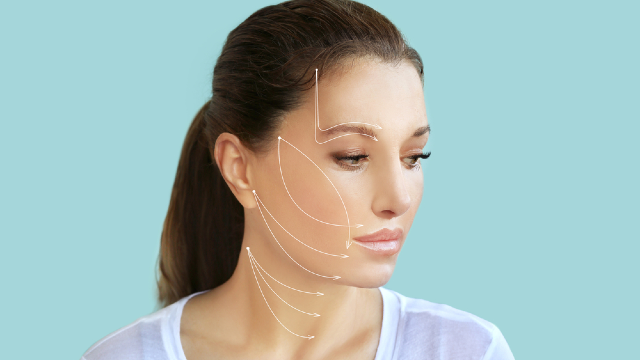
The single most important thing to understand before considering a thread lift is that it is not a facelift. A thread lift is a minimally invasive, non-surgical procedure that uses fine absorbable threads inserted beneath the skin through small entry points to mechanically lift sagging tissue while stimulating collagen production. A surgical facelift, by contrast, involves incisions, tissue repositioning, and a longer recovery, and it addresses more advanced laxity than threads can.
Thread lifting is best understood as an option positioned between energy-based devices and surgery for people who want more lift than a device provides but are not seeking an operation. It will not replicate surgical results, and setting that expectation early prevents disappointment. Independent clinical reviews of thread lifting have noted that the lifting effect is meaningful but time-limited, which is exactly why realistic expectations matter. If you are unsure whether a thread lift or another approach suits your goals, an in-person assessment is the appropriate next step, and you can arrange one through the Newstar Clinic contact page.
Thread Count: Why the Number of Threads Varies
The number of threads used is one of the most visible factors in any thread lift plan, and it is not chosen arbitrarily. During consultation, the physician evaluates the degree of sagging, skin thickness, and facial structure, then determines the lifting direction and the number of threads needed to achieve a natural, balanced result. Someone with mild laxity in a limited area may need relatively few threads, while more extensive laxity across a larger area may call for more.
More threads are not automatically better. The goal is an appropriate lift for your anatomy, not the maximum number that could be placed. Too few threads may under-correct; an ill-considered number or placement can look unnatural. This is why thread count should emerge from an individualized assessment rather than a preset menu, and why it is one of the questions best answered face to face rather than estimated online.
Thread Type and Material
The material and design of the thread are central factors, and different systems carry different regulatory statuses—an important distinction for US patients. Newstar Clinic offers three thread systems, and understanding what each is helps you interpret any plan.
MINT Thread Lifting uses PDO (polydioxanone) threads with a specialized barbed structure. In the United States, PDO threads in the MINT product family are cleared by the US FDA under the 510(k) pathway for soft tissue approximation, with certain variants indicated for lifting procedures. It is worth noting the language here: FDA "clearance" (the 510(k) pathway used for many devices) is different from FDA "approval," and both are distinct from the Korean MFDS authorization used domestically.
Silhouette Soft Thread Lifting uses PLLA (poly-L-lactic acid) threads and carries MFDS and CE authorization; it is not FDA-approved under that name in the US. Its US counterpart, Silhouette InstaLift, is FDA-cleared and made from PLLA/PLGA material and in fact served as a regulatory predicate for MINT's lifting indication. The Dual Line / Jamber system uses biodegradable PDO threads with specialized spring or core designs and holds Korean MFDS authorization. Because these statuses differ, it is reasonable to ask which thread system is proposed for you and how it is regulated.
Technique and Placement
Technique is a factor that does not appear on any list of components but strongly influences a thread lift. The clinic uses an anatomy-guided approach in which thread insertion points, direction, depth, and tension are individually planned for each patient based on facial structure, degree of laxity, and aesthetic goals. Two patients receiving the same number of the same threads could still have very different plans because the mapping of where and how those threads are placed is tailored to their anatomy.
The procedure at Newstar Clinic is performed under local anesthesia, and the treatment plan—including the selected thread system, insertion points, direction, and tension—is explained before the procedure proceeds with informed consent. Technique is also closely tied to safety: careful, anatomy-based placement is part of how a skilled clinician works to reduce the chance of complications. When you evaluate any provider, the planning process behind placement is at least as important as the thread itself.
Treatment Area
The treatment area is a straightforward but significant factor. Thread lifts are commonly used to address sagging along the cheeks and jawline, and the extent and location of the area being treated influence how many threads are needed and how the plan is designed. A focused correction in a small zone is a different undertaking from addressing laxity across a broader region.
Because the area interacts with thread count, technique, and material, these factors cannot be considered in isolation. A responsible plan looks at your face as a whole and designs a treatment around your specific pattern of laxity rather than applying a fixed template. The clinic's philosophy of individualized planning means the treatment area is defined by your anatomy and goals, and you can read more about the clinic's overall approach on the Newstar Clinic website.
Sessions and Maintenance
Thread lifting provides an immediate lifting effect after insertion, and the threads also stimulate collagen production, allowing gradual improvement in firmness over time. Because the threads are absorbable, the effect is not permanent; independent reviews describe the lift as time-limited, and the clinic notes a maintenance period on the order of about a year for its PDO systems, with PLLA threads described as lasting longer. Maintenance sessions may be recommended over time to sustain results, and how often these are advised is individualized.
Whether a plan involves a single session or is combined with other treatments depends on your assessment. The number of sessions, recommended stay in Korea, and timing of any return flight are details the clinic confirms individually rather than publishing as fixed values. If you are traveling internationally, discuss these logistics early so that follow-up and any maintenance fit your circumstances.
Realistic Risks
Thread lifting is minimally invasive, but it is still a medical procedure with real risks that should factor into any decision. Reported complications include mild facial asymmetry, dimpling or puckering of the skin, thread extrusion (a thread working its way toward the surface), swelling, redness, bruising, discomfort, and, less commonly, infection. Independent literature reviews describe most adverse events as minor, self-limiting, and short-lived, but they do occur, and the durability of the correction and the long-term consequences of retained threads are still being studied.
Discuss these risks candidly during your consultation, and make sure you understand how the clinic would manage a complication—including how that would work if you have already returned home. Realistic expectations about both results and risks are part of informed consent, and no outcome can be guaranteed.
Certain factors can raise or lower the likelihood of complications, which is another reason a thread lift resists reduction to a single number. Skin thickness, the degree of laxity, the area treated, the number and type of threads, and the care taken with placement all interact with the risk profile. Independent reviews have observed that patients with thicker skin and adequate facial volume tend to have more predictable outcomes, while more advanced laxity is harder to address with threads alone and may be better suited to other options. This is precisely why the pre-treatment assessment is so important: it is where a physician judges whether you are a suitable candidate, whether threads are the right tool for your concern, and how to plan the procedure to keep risks as low as reasonably possible. If you are not a good candidate, a responsible clinic should tell you so rather than proceed.
Why These Factors Matter More Than a Single Number
Thread count, material, technique, treatment area, and sessions are interdependent, which is precisely why a thread lift cannot be meaningfully understood through one figure alone. A plan is the sum of these individualized decisions, made after a physician assesses your face. The most productive approach is to ask the clinic to explain how each factor applies to you, request the treatment plan in writing, and route any specific figures and scheduling to the clinic directly rather than relying on generic estimates.
The Bottom Line
- Thread lifting is not a facelift; it is a minimally invasive, non-surgical procedure with time-limited results, and expectations should be set accordingly.
- Thread count, thread type and material, technique, treatment area, and number of sessions are all individualized factors that interact, so no single figure captures a plan.
- Thread systems carry different regulatory statuses: MINT PDO threads are US-FDA-cleared, Silhouette InstaLift is FDA-cleared PLLA/PLGA in the US, while Silhouette Soft and other Korean threads carry MFDS (and, for Silhouette Soft, CE) authorization.
- Realistic risks include dimpling, thread extrusion, asymmetry, swelling, and bruising, and these should be discussed during consultation.
- Results vary between individuals, and any specific figures or scheduling should come directly from the clinic.
Frequently Asked Questions
Is a thread lift the same as a facelift?
No. A thread lift is a minimally invasive, non-surgical procedure using absorbable threads to lift sagging tissue, while a facelift is a surgical operation involving incisions and a longer recovery. A thread lift produces a more modest, time-limited effect and does not replace what surgery achieves. Your physician can advise which approach, if any, suits your goals.
What determines how many threads I need?
The number of threads is determined during consultation based on your degree of sagging, skin thickness, facial structure, and the treatment area. More threads are not automatically better; the aim is an appropriate, natural-looking lift for your anatomy. This is why thread count should come from an individualized assessment rather than a fixed menu.
Are the threads used in Korea FDA-approved?
It depends on the system. MINT PDO threads are cleared by the US FDA under the 510(k) pathway, and Silhouette InstaLift is FDA-cleared in the US. Silhouette Soft and other Korean threads carry MFDS authorization (Silhouette Soft also holds CE marking) rather than US FDA authorization. Note that FDA "clearance" and "approval" are different pathways, so ask which system and status apply to your plan.
How long do thread lift results last?
Results are time-limited because the threads are absorbable. The clinic describes a maintenance period on the order of about a year for its PDO systems, with PLLA threads lasting longer, and independent reviews confirm that the lifting effect declines over time. Maintenance sessions may be recommended, and longevity varies between individuals.
What are the risks of a thread lift?
Reported risks include dimpling or puckering, thread extrusion, facial asymmetry, swelling, redness, bruising, discomfort, and, less commonly, infection. Most reported adverse events are minor and short-lived, but they can occur. Discuss these thoroughly during consultation and confirm how any complication would be managed, including from abroad.
Can I have a thread lift and fly home soon after?
Recovery and travel timing are individualized. Because thread lifting involves entry points beneath the skin and a short recovery period, the recommended stay in Korea and return-flight timing are details the clinic confirms case by case. Raise your travel plans early so follow-up and any maintenance can be coordinated.
This article is for general educational purposes about aesthetic and cosmetic-dermatology treatments and does not constitute medical advice. Thread lifting carries risks, results vary between individuals, and no outcome can be guaranteed. Always consult a qualified physician about your individual circumstances and confirm all details, scheduling, and figures directly with the clinic. It is not a self-diagnosis tool.
More Articles
Continue reading our clinical guides.
Ultherapy Prime Seoul: What Drives Treatment Pricing
Understand the factors behind Ultherapy Prime pricing in Seoul, from lines and coverage area to session planning and genuine transducers. Ask the clinic.
Learn More
Thread Lifting vs Energy Lifting: Facelift Alternatives
Compare thread lifting and energy-based lifting like Ultherapy and Thermage FLX: mechanisms, candidacy, downtime, longevity, risks, and facelift limits.
Learn More
Why Newstar Clinic Puts an Anesthesiologist on the Team
Newstar Clinic includes a Korean board-certified anesthesiologist in its treatment team. Learn how monitoring and safety oversight support aesthetic care.
Learn More