Personalized Medical Care & Dedicated International Patient Concierge


Medical Guide
Repeat Visits & Maintenance at Newstar Clinic, Seoul
What repeat international patients should know about maintenance visits at Newstar Clinic in Seoul, why results are temporary, and how to plan a return.
Schedule a ConsultationReturning to Newstar Clinic: What Repeat International Patients Should Know About Maintenance Visits
Medically reviewed by Dr. Kun Woo Kang, Korean Board-Certified Dermatologist
If your first trip to Newstar Clinic in Seoul went well, you may already be wondering when, and whether, to return. Most aesthetic and cosmetic-dermatology results are temporary, and many treatments are maintained with periodic sessions rather than a single visit. This guide explains, in general terms, why maintenance matters, how the cadence varies from person to person, and how documented remote follow-up can help you plan a sensible return trip. It is educational and not a schedule; your own plan should come from a consultation, not from a generic timeline.
Why Aesthetic Results Are Temporary
It helps to start with an honest premise: most non-surgical aesthetic treatments do not produce permanent results. That is not a shortcoming of any one clinic; it reflects how the treatments work and how skin behaves over time.
Different categories of treatment fade in different ways:
- Neuromodulators (such as botulinum toxin). According to the Mayo Clinic, botulinum toxin injections usually begin working within a few days and the effect may last a few months; to maintain the benefit, regular follow-up injections are needed as the effect wears off.
- Dermal fillers. The Mayo Clinic notes that soft-tissue fillers temporarily smooth wrinkles and that results are temporary, so repeat treatments are needed to retain the effect. The American Society of Plastic Surgeons describes a wide range of durability depending on the product and the person, with hyaluronic-acid fillers commonly lasting somewhere in the range of many months, and it emphasizes that everyone metabolizes these products at a different rate.
- Energy-based and collagen-stimulating treatments. With devices that stimulate collagen, improvement tends to be gradual and develops over weeks to months as the skin remodels. Because collagen naturally changes over time, these effects are typically maintained with periodic sessions rather than a single treatment.
The practical takeaway is that "how long will it last?" rarely has one fixed answer. It depends on the specific treatment, the area treated, product or energy choices made during your consultation, your individual biology, and factors such as sun exposure and skin care. That is why this article avoids fixed schedules and why any real plan should be individualized.
What "Maintenance" Actually Means
Maintenance is not a single event but an ongoing relationship with your care that keeps results within the range you and your physician agreed on. In practice, maintenance can involve:
- Repeat sessions of the same treatment once earlier effects have faded.
- Adjustments over time as your skin, goals, or circumstances change.
- Assessment before re-treating, so decisions are based on your current skin rather than a calendar alone.
A responsible approach treats each maintenance visit as its own small consultation. Rather than automatically repeating what was done before, a physician reassesses your skin, reviews how the previous treatment performed, and confirms whether re-treatment is appropriate and in what form. Newstar Clinic documents follow-up appointments to monitor results and, for relevant treatments, to plan maintenance, which is consistent with this individualized approach.
Because cadence varies so much, you should be cautious about any promise of a fixed interval. General patterns exist, but your personal timing should come from your own results and a professional assessment, not from a generic number you read online.
Planning a Return Trip From Abroad
International patients face an added layer of logistics: maintenance may mean traveling again. Thinking ahead makes that far easier.
Start with a teleconsultation. Before booking a return flight, a pre-travel teleconsultation is a sensible first step. Newstar Clinic documents a pre-travel teleconsultation process in which international patients share facial photos and describe their concerns, followed by an in-clinic assessment before any treatment. For a return visit, this lets you discuss how your previous results have held up, what you are hoping to address now, and whether a trip is warranted before you commit to travel dates. Because you are already an established patient, this conversation can be efficient: you are reviewing change over time rather than starting from scratch. You can begin the conversation through the clinic's contact page.
Use documented remote follow-up between trips. One of the most useful tools for a repeat patient is remote follow-up. Newstar Clinic documents that remote follow-up is available for international patients after returning home. Between trips, that channel can help you stay in touch, share how your results are evolving, and gather the information you need to decide on timing for a return. Research on teledermatology suggests that remote follow-up can support monitoring and post-procedural care for many patients, while noting it does not replace in-person evaluation for complex or serious concerns. Remote contact is a planning aid, not a substitute for the in-clinic assessment the clinic performs before treatment. Used well, it can save you an unnecessary trip, or help you time a necessary one better.
Confirm timing and logistics individually. Because there is no universal maintenance schedule, confirm the practical details with the clinic rather than assuming. Recommended timing, the number of sessions, and how long to stay in Korea depend on the specific treatment and your individual response, and several of these details are ones the clinic confirms case by case. A teleconsultation is the right place to align on realistic expectations before you book. Avoid locking in non-refundable travel arrangements around a maintenance interval you have only read about generically; let your own results and professional advice drive the timing.
Plan around travel requirements and the calendar. If your return involves international travel, confirm current entry requirements well ahead of time, since rules change. Consult official sources such as the U.S. Department of State's South Korea information page before you travel, and treat any timeline you find online as something to verify rather than rely on. Building in buffer time around your appointment, and around any recovery, is prudent for a smoother trip. If a particular treatment tends to involve visible short-term effects, ask about that during your teleconsultation so you can plan your itinerary and any social or work commitments accordingly.
Keeping Continuity of Care Across Borders
Continuity is one of the biggest challenges in cross-border aesthetic care, and it is worth deliberate planning. The CDC advises medical travelers to keep copies of their health records and to understand how follow-up care will be handled, including whether it occurs at the same facility where a procedure was performed.
For a repeat patient, a few habits protect that continuity:
- Keep your own records. Save notes on what was done, which products or devices were used where documented, and how you responded. This helps every future visit build on the last.
- Document your results over time. Consistent, well-lit photos taken at regular intervals give you and the clinic an objective view of how results are fading and when maintenance may be worth discussing.
- Use one clear channel to stay in touch. Written channels such as WhatsApp and email create a record and make remote follow-up easier to manage from home.
- Know your local options. Identify a provider at home who can help if an urgent concern arises between trips, since you will not have same-day access to the Seoul clinic.
You can review the clinic's treatments and information on its main website as you think through what a maintenance plan might involve, then confirm specifics directly.
Setting Realistic Expectations
A good maintenance mindset is patient and individualized. Results vary between people, energy-based improvements often develop gradually rather than instantly, and no treatment offers a permanent fix or a guaranteed outcome. Maintenance is about sustaining a look within a realistic range over time, not chasing a fixed schedule or a promised result.
Being clear-eyed about this actually makes planning easier. When you accept that results are temporary and that cadence is personal, you can plan return trips around your own evolving results and professional advice, rather than around a number that may not fit you at all.
The Bottom Line
- Most aesthetic and cosmetic-dermatology results are temporary; neuromodulators and fillers wear off over time, and energy-based effects are gradual and typically maintained periodically.
- There is no universal maintenance schedule. Cadence depends on the treatment, the area, individual biology, and other factors, so any plan should be individualized through consultation.
- Newstar Clinic documents pre-travel teleconsultation, in-clinic assessment before treatment, follow-up to monitor results, and remote follow-up for international patients after returning home.
- Start a return with a teleconsultation, use documented remote follow-up between trips, and confirm timing, sessions, and length of stay directly with the clinic.
- Keep your own records and photos, plan for continuity of care at home, and confirm current travel requirements before booking a return trip.
Frequently Asked Questions
How long do aesthetic results last?
It depends heavily on the treatment and the individual. The Mayo Clinic notes that botulinum toxin effects may last a few months and that fillers are temporary, requiring repeat treatments to retain the effect, while the American Society of Plastic Surgeons describes filler durability varying widely by product and person. Energy-based collagen effects develop gradually and are typically maintained with periodic sessions. Your own timing should come from a consultation, not a generic number.
When should I return to Newstar Clinic for maintenance?
There is no fixed answer, because maintenance cadence varies by treatment and by individual. The best approach is a teleconsultation to review how your previous results have held up and to discuss whether and when a return trip makes sense. Newstar Clinic documents a pre-travel teleconsultation process that supports exactly this kind of planning.
Can I get follow-up care from home between trips?
Yes, within limits. Newstar Clinic documents that remote follow-up is available for international patients after returning home, which can help you stay in touch and plan a return. Research on teledermatology suggests remote follow-up can support monitoring for many patients, but it does not replace an in-person assessment, which the clinic performs before any treatment.
Do I need a new consultation for a repeat treatment?
A responsible maintenance visit involves reassessing your current skin rather than simply repeating what was done before. Newstar Clinic documents an in-clinic assessment before treatment and follow-up to monitor results and plan maintenance where relevant. Starting with a teleconsultation before you travel helps align expectations for the visit.
Are maintenance results guaranteed to look the same each time?
No outcome is guaranteed, and results vary between individuals and even between sessions. Aesthetic treatments aim to sustain a look within a realistic range over time, not to deliver an identical, permanent result. A physician reassessing your skin at each visit helps keep the plan appropriate to your current situation.
How do I plan the travel side of a return visit?
Confirm current entry requirements before you book, since rules change, and consult official sources such as the U.S. Department of State's South Korea page. Confirm the recommended timing, number of sessions, and length of stay directly with the clinic through a teleconsultation, and build in buffer time around your appointment and any recovery.
How can I keep my care consistent across trips?
Keep your own records, take consistent photos to track how results fade, and use one clear written channel to stay in touch with the clinic. The CDC advises medical travelers to keep health records and understand how follow-up will be handled. Identifying a local provider for urgent concerns between trips is also wise.
This article is for general educational purposes only about aesthetic and cosmetic-dermatology care and international travel for treatment. It does not constitute medical, legal, or travel advice. Results vary between individuals, treatments are temporary, and no outcome, cure, or guarantee is implied. Always consult a qualified physician about your specific situation and confirm current travel requirements before any trip. It is not a self-diagnosis tool.
More Articles
Continue reading our clinical guides.
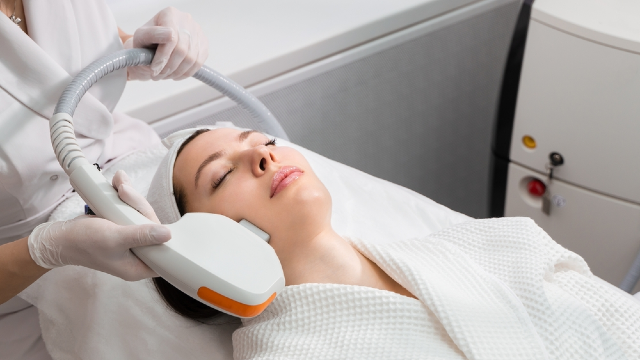
Ultherapy Prime Seoul: What Drives Treatment Pricing
Understand the factors behind Ultherapy Prime pricing in Seoul, from lines and coverage area to session planning and genuine transducers. Ask the clinic.
Learn More
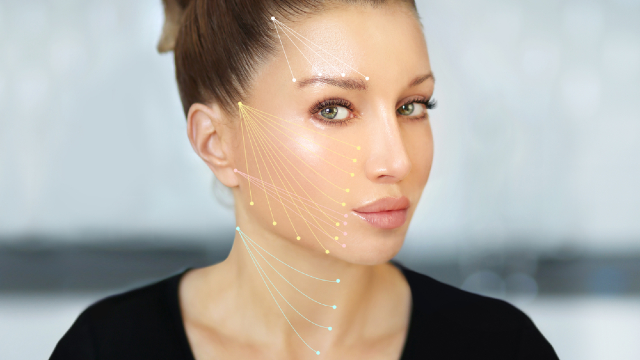
Thread Lifting vs Energy Lifting: Facelift Alternatives
Compare thread lifting and energy-based lifting like Ultherapy and Thermage FLX: mechanisms, candidacy, downtime, longevity, risks, and facelift limits.
Learn More
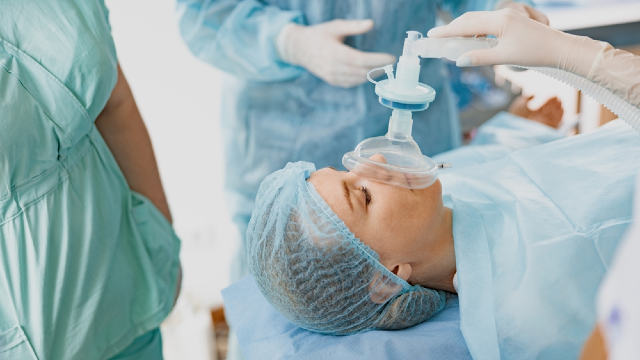
Why Newstar Clinic Puts an Anesthesiologist on the Team
Newstar Clinic includes a Korean board-certified anesthesiologist in its treatment team. Learn how monitoring and safety oversight support aesthetic care.
Learn More