Personalized Medical Care & Dedicated International Patient Concierge

Medical Guide
Laser Resurfacing vs Potenza RF Microneedling in Korea
Compare laser resurfacing and Potenza RF microneedling for acne scars and pigmentation: mechanisms, downtime, candidacy, and PIH risk in dark skin tones.
Schedule a ConsultationLaser Resurfacing vs Potenza RF Microneedling in Korea
Medically reviewed by Dr. Kun Woo Kang, Korean Board-Certified Dermatologist
Acne scars and stubborn pigmentation are two of the most common reasons US patients research treatment in Seoul, and two very different technology families are often suggested: laser resurfacing and Potenza radiofrequency (RF) microneedling. Both aim to smooth texture and even skin tone, but they work through different mechanisms, carry different downtime, and suit different skin types. This guide compares them in plain language so you can have a more informed conversation with a physician. It is educational only and not a substitute for an in-person assessment.
How Each Technology Works
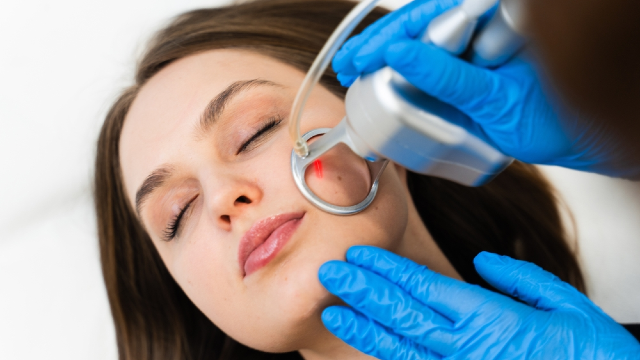
Laser resurfacing uses focused light energy to heat or vaporize layers of skin. According to Mayo Clinic, a dermatologist uses a laser to remove skin layer by layer, or to damage collagen beneath the surface and stimulate the growth of new, healthier collagen. Ablative lasers (such as CO2 and Er:YAG) remove the outer skin to trigger a resurfacing response, while non-ablative and pigment-targeting devices deliver energy that acts more selectively without removing the surface.
The Clarity laser used at many Korean clinics — the Lutronic Clarity II — is a US-FDA-cleared dual-wavelength system that combines a 755 nm Alexandrite wavelength and a 1064 nm Nd:YAG wavelength. It is designed to target melanin and vascular concerns, which is why it is often discussed for pigmentation, redness, and uneven tone rather than for deep scar remodeling.
Potenza works differently. It is a US-FDA-cleared RF microneedling device: fine needles create controlled microchannels in the skin while radiofrequency energy delivers heat into the dermis. Instead of relying on light energy that must pass through the skin's surface, RF microneedling places thermal energy directly at a chosen depth. The goal is to stimulate collagen and remodel scar tissue from within while the surface is comparatively spared. If you are weighing these options for your own skin, our team can help you understand which family fits your goals during a consultation.
Mechanism and Depth: Why the Difference Matters
The core distinction is how energy reaches the target. Ablative laser resurfacing works from the surface inward, removing and heating tissue to prompt renewal. This makes it well suited to surface texture, fine lines, and certain scar types, but it also means the outer skin is disrupted and needs time to heal.
RF microneedling bypasses much of the surface by delivering heat through insulated or non-insulated needles at a set depth. Because the epidermis is comparatively protected, RF microneedling is frequently discussed as a lower-risk option for certain skin types, though it is not risk-free. The US Food and Drug Administration notes that microneedling and RF microneedling devices are regulated as medical devices and that adverse events can occur, which is why device selection and operator skill matter.
For pigmentation specifically, a pigment-selective laser such as Clarity is designed to break down melanin, whereas RF microneedling primarily remodels collagen and texture. This is one reason a physician may recommend different tools — or a combination over time — depending on whether your main concern is a brown discoloration, an indented scar, or both.
Acne Scars: What Each Approach Targets
Acne scars are not all the same. Rolling, boxcar, and icepick scars differ in shape and depth, and Mayo Clinic emphasizes that acne scars are stubborn and that no single treatment is best for everyone; often a combination of approaches is needed depending on scar type, skin type, and severity.
Laser resurfacing is a long-established option for scar texture, particularly for shallow-to-moderate atrophic scars, because it can resurface and stimulate collagen. RF microneedling is frequently chosen for atrophic acne scars because the needling plus dermal heating can encourage collagen remodeling at depth with relatively less surface disruption. Neither approach erases scars. Improvement is typically gradual and partial, usually developing over multiple sessions and several months as collagen rebuilds. Realistic expectations are essential, and results vary from person to person.
Pigmentation: Selecting the Right Tool
Pigmentation concerns — from sun spots to melasma to the brown marks left behind by acne — behave differently from textural scarring. Pigment-selective lasers like the dual-wavelength Clarity are designed to address melanin and vascular tone, which is why they are often part of a pigmentation plan. RF microneedling is generally aimed at texture and collagen rather than pigment removal, though it may play a supporting role in an individualized plan.
A critical caution applies to any energy-based treatment used on pigmentation: some conditions, especially melasma, can worsen with overly aggressive heat or light. A physician typically favors conservative settings, sometimes paired with topical agents and strict sun protection, rather than a single high-intensity session. What is appropriate for one patient's pigmentation may be inappropriate for another's.
PIH Risk in Melanin-Rich and Darker Skin
This is the most important safety consideration in this comparison. Post-inflammatory hyperpigmentation (PIH) is a darkening of the skin that can follow inflammation or a procedure. According to StatPearls, PIH is more common and more severe in people with darker skin tones, especially Fitzpatrick skin types III to VI, because their melanocytes are more reactive and produce more melanin in response to injury.
This means that both laser resurfacing and RF microneedling carry a higher risk of PIH in melanin-rich skin — brown, Black, South Asian, Hispanic, Middle Eastern, and many Asian skin tones included. A responsible approach typically involves:
- Test spots before full treatment, so the skin's reaction can be observed.
- Conservative energy settings and sometimes more sessions at lower intensity rather than one aggressive pass.
- Diligent sun protection, since ultraviolet exposure can trigger or worsen pigmentation. StatPearls notes photoprotection is a cornerstone of managing and preventing PIH.
- Pre- and post-treatment skin care at the physician's discretion, which may include topical agents.
Ironically, PIH triggered by a procedure is itself a form of pigmentation, so an overly aggressive treatment aimed at brown spots can leave more brown spots behind. This is why an unhurried, individualized plan by a clinician experienced with skin of color matters so much. You can read more about the clinic's approach to individualized planning on our main site.
Downtime and Recovery
Downtime differs meaningfully between the two. Ablative laser resurfacing generally involves more visible recovery: redness, peeling, oozing, or crusting for a period while the surface heals, with the exact timeline depending on how aggressive the treatment is. Non-ablative and pigment-targeting lasers usually involve less downtime, often redness that settles over hours to days.
RF microneedling downtime is typically shorter than ablative resurfacing but not zero — redness, swelling, pinpoint marks, and sensitivity for a few days are common. Because international patients often plan tightly around a trip, downtime is a practical factor in choosing an approach and in scheduling sessions. Recovery varies with the device used, the settings, the treated area, and individual healing.
Candidacy: Who Is a Better Fit for Each
There is no universal answer, and candidacy is determined by a physician after evaluating your skin. In general terms:
- RF microneedling is often discussed for atrophic acne scars and texture, and for patients seeking dermal collagen stimulation with comparatively less surface disruption. It is frequently considered across a range of skin tones, with careful settings.
- Laser resurfacing is often discussed for surface texture, fine lines, and certain scar types, with device choice adjusted for skin tone; pigment-selective lasers like Clarity are geared toward pigmentation and tone.
Some patients are not good candidates for either at a given time — for example, those with active acne breakouts, active infections, certain medications, a recent tan, a history of keloids, or unrealistic expectations. Pregnancy and some medical conditions are also relevant. This is why a hands-on assessment, not an online recommendation, is the appropriate starting point.
Combination and Sequencing
In practice, pigmentation and scarring frequently coexist, and a physician may recommend a sequence of treatments rather than a single modality. A pigment-selective laser might address discoloration while RF microneedling targets textural scarring in separate sessions, spaced apart to let the skin recover. The right sequence, intensity, and interval are individualized. There is no fixed formula, and more treatment is not automatically better.
Choosing a Provider and Preparing for Treatment
Because both technologies rely heavily on operator skill and correct settings, the choice of provider is as important as the choice of device. Mayo Clinic advises working with a qualified clinician who can evaluate your skin type and scar type before recommending an approach. For melanin-rich skin especially, experience with skin of color is a meaningful factor, since conservative settings and careful sequencing reduce the chance of PIH.
Preparation typically begins with an assessment of your skin, medical history, medications, and recent sun exposure. You may be asked to avoid tanning, certain topical products, or specific medications for a period beforehand, at the physician's discretion. A frank discussion of realistic outcomes — that improvement is gradual, partial, and may require several sessions — helps ensure you and your clinician share the same expectations. International patients should also plan for downtime and any recommended follow-up before travel, and confirm the specifics of any plan directly with the clinic rather than assuming a fixed protocol.
The Bottom Line
- Laser resurfacing (including ablative CO2/Er:YAG, an FDA-cleared laser category) and the FDA-cleared Clarity dual-wavelength laser work through light energy; Potenza is US-FDA-cleared RF microneedling that delivers heat into the dermis through microneedles.
- For acne scars, RF microneedling and laser resurfacing both aim to remodel collagen; for pigmentation, pigment-selective lasers like Clarity are typically more directly targeted, while RF microneedling focuses on texture.
- Improvement is gradual and partial, usually over several sessions and months; results vary and no treatment erases scars or guarantees an outcome.
- PIH risk is higher in melanin-rich and Fitzpatrick IV–VI skin, so test spots, conservative settings, and strict sun protection are essential for both technologies.
- There is no single "best" device; the right choice — or combination — is individualized and should be decided with a qualified physician after an in-person assessment.
Frequently Asked Questions
Is Potenza RF microneedling or laser resurfacing better for acne scars?
Neither is universally better. RF microneedling and laser resurfacing both aim to remodel collagen and improve scar texture, and the more suitable option depends on your scar type, skin tone, and goals. A physician determines candidacy after examining your skin, and sometimes a combination over several sessions is recommended.
Which is better for pigmentation, Clarity laser or Potenza?
Pigment-selective lasers such as the dual-wavelength Clarity are designed to target melanin and tone, which is why they are often part of a pigmentation plan. Potenza RF microneedling primarily addresses texture and collagen rather than removing pigment. Your physician will match the tool to your specific pigmentation concern.
Are these treatments safe for darker or melanin-rich skin?
They can be performed on darker skin, but the risk of post-inflammatory hyperpigmentation is higher in Fitzpatrick III–VI skin. Safer practice includes test spots, conservative settings, careful device selection, and strict sun protection. A clinician experienced with skin of color should guide the plan.
How many sessions will I need?
There is no fixed number. Acne-scar and pigmentation improvement is typically gradual and develops over multiple sessions spaced weeks apart. The exact plan is individualized based on your skin's response, and it should be confirmed with the clinic rather than assumed in advance.
How much downtime should I expect?
Ablative laser resurfacing usually involves more visible recovery, such as redness and peeling, while non-ablative lasers and RF microneedling generally involve shorter downtime like redness and swelling for a few days. Recovery varies with the device, settings, and your individual healing.
Will the results be permanent?
No treatment offers permanent or guaranteed results. Collagen remodeling can produce lasting improvement, but skin continues to age and pigmentation can recur, especially without sun protection. Maintenance sessions may be recommended over time.
Can I combine RF microneedling and laser treatments?
Sometimes, yes. Because scarring and pigmentation often coexist, a physician may sequence different treatments in separate sessions spaced apart to allow recovery. The appropriate combination, intensity, and timing are individualized and decided during consultation.
This article is for general educational purposes about aesthetic and cosmetic-dermatology treatments and does not constitute medical advice, a diagnosis, or a treatment recommendation. Devices, candidacy, and outcomes vary by individual, and all procedures carry risks. Please consult a qualified physician for an in-person assessment before making any decision. It is not a self-diagnosis tool.
More Articles
Continue reading our clinical guides.

Hidden Fees to Ask About Before Booking Care Abroad
Aesthetic treatment abroad has fees beyond the procedure. Know the questions to ask about consultations, aftercare, follow-up, numbing, and travel costs.
Learn More

Sofwave vs Ultherapy Prime: Ultrasound Lifting Compared
Compare Sofwave and Ultherapy Prime, two FDA-cleared ultrasound lifting devices, by mechanism, depth, comfort, downtime, and candidacy for Seoul patients.
Learn More

Dr. Kang Hyun Uk: Filler & Laser at Newstar Clinic
Meet Dr. Kang Hyun Uk, a Medical Doctor at Newstar Clinic in Gangnam, Seoul, focused on minimally invasive filler and laser care with a balanced approach.
Learn More