Personalized Medical Care & Dedicated International Patient Concierge


Medical Guide
Korean Aging Society: Rising Demand for Natural Non-Surgical Lifting Care
Korean Aging Society: Rising Demand for Natural Non-Surgical Lifting Care
Schedule a ConsultationSouth Korea has reached a significant demographic milestone. According to recent data from the Ministry of the Interior and Safety, the nation has officially transitioned into a super-aged society, with individuals aged 65 and older accounting for 21.21% of the total population. This structural demographic shift is fundamentally transforming consumer behavior, particularly within the medical aesthetics sector. As a massive portion of the population enters their 40s, 50s, and 60s, the focus of aesthetic care has shifted from temporary correction to structural, long-term tissue maintenance.
This aging population profile directly drives a massive surge in the domestic medical aesthetics market, which is projected to expand significantly. According to data from industry market reports, the South Korean aesthetic device sector is moving toward a valuation of over 349 million USD, propelled by an annual compound growth rate (CAGR) of approximately 6.38%. Within this expanding landscape, patients are increasingly rejecting overly artificial or surgically aggressive alterations. Instead, the modern market exhibits a clear preference for natural skin lifting and tightening treatments that preserve unique facial expressions while structurally restoring the skin's underlying architecture.
For patients navigating these options at Newstar Clinic, understanding the balance between structural efficacy and natural outcomes is essential. Modern clinical frameworks now prioritize non-surgical interventions that work in harmony with the body's native biological processes to counter the effects of dermal thinning and volume descent.
Skin Lifting and Tightening in Korea: Benefits, Risks, and Ideal Candidates
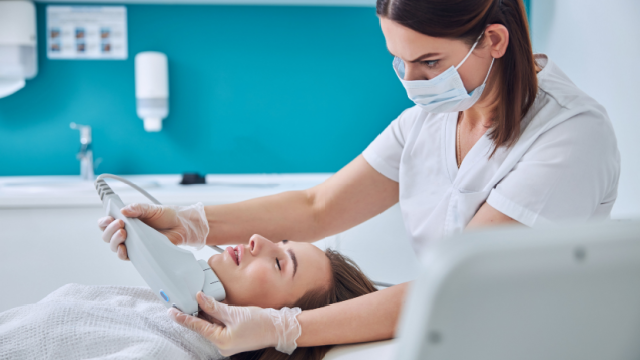
As the dermal layer loses approximately 1% of its collagen content annually after the age of 20, individuals in their 30s to 70s experience varying degrees of facial sagging, jawline blurring, and deep wrinkling. In the Korean aesthetic market, treatments are highly specialized based on the candidate's structural presentation and therapeutic goals.
Primary Candidates for Natural Tissue Restructuring
- Early Preventative Care (Ages 30 to 45): Individuals experiencing early signs of skin laxity, subtle volume loss around the cheeks, and minor blurring of the jawline. The goal here is prejuvenation: stimulating structural proteins before deep wrinkling locks in.
- Structural Rejuvenation (Ages 46 to 70): Patients exhibiting pronounced jowling, deep nasolabial folds, and submental laxity (sagging under the chin). For this demographic, treatments focus on shrinking the deep structural layers and redensifying the dermis.
While non-surgical lifting offers major benefits, such as zero surgical incisions and near-instant return to daily activities, it requires clear candidate screening. Individuals with severe, redundant skin folds or complete loss of underlying soft tissue elasticity may require realistic outcome staging or combination protocols to achieve optimal facial harmony.
Skin Laxity Treatment Costs and Outcomes in Korea
The traditional approach to facial aging in South Korea has historically relied on a spectrum of interventions ranging from high-street topical skincare products to invasive plastic surgery. Each methodology presents distinct operational realities, cost profiles, and recovery timelines.
Standard Treatment Pathways and Their Limitations
- Topical Cosmeceuticals and Daily Skincare
- Description: Over-the-counter anti-aging creams, retinoids, and peptides.
- Pros: Low immediate financial barrier; entirely non-invasive.
- Cons: Inability to penetrate the basal layer or the Superficial Muscular Aponeurotic System (SMAS); completely ineffective for structural lifting.
- Traditional Surgical Facelifts
- Description: Open surgical excision of redundant skin and manual tightening of the muscle fascia.
- Pros: Highly dramatic results for advanced, severe skin redundancy.
- Cons: High cost (often ranging from 6,000,000 KRW to over 15,000,000 KRW); significant down-time requiring multiple weeks of recovery; inherent surgical risks including scarring and nerve vulnerability.
- Basic Monopolar or Linear Energy Injections
- Description: Entry-level energy treatments delivered without real-time tissue tracking or multi-depth staging.
- Pros: Readily accessible at generic franchise clinics.
- Cons: High re-intervention rates; uneven energy delivery that can lead to subcutaneous fat loss; discomfort during application.
Multi-Depth Energy Lifting: The Advanced Non-Surgical Alternative
To bridge the gap between superficial topical therapies and invasive surgery, Newstar Clinic utilizes an advanced, tech-driven framework known as Multi-Depth Energy Lifting. This sophisticated approach targets the root causes of facial aging by delivering micro-focused energy precisely across multiple physiological layers, specifically targeting the deep dermis and the critical SMAS layer.
Mechanism of Action
Multi-Depth Energy Lifting works by initiating a controlled thermal reaction at exact depths beneath the skin surface. When the targeted tissue layers reach an optimal temperature of approximately 60 to 70 degrees Celsius, it triggers immediate contraction of existing collagen fibers while initiating a long-term wound-healing response. Over the subsequent 2 to 6 months, this biological cascade prompts fibroblasts to synthesize a dense, highly organized matrix of new collagen and elastin fibers, naturally tightening the facial profile from within.
Why It Sustains Long-Term Appearance Quality
Because Multi-Depth Energy Lifting leaves the superficial epidermis completely unharmed, it eliminates the prolonged healing phases associated with surgical cutting. By gradually rebuilding the skin's internal support system, this tech-driven protocol avoids the unnatural, tightly pulled look often resulting from traditional surgery, allowing patients to maintain their authentic facial mobility and natural expressions.
**Is Multi-Depth Energy Lifting in Korea worth the cost?**Yes. For patients seeking measurable tissue tightening without the risks or down-time of surgery, Multi-Depth Energy Lifting represents a highly efficient investment. It delivers multi-layered tissue contraction and ongoing collagen production that can last for 12 to 18 months, eliminating the need for frequent, monthly superficial appointments.
Comparative Data and Structural Outcomes
When comparing clinical pathways, analyzing the quantitative metrics surrounding patient investment, recovery profiles, and structural depth is vital for long-term planning.
| Evaluation Metric | Conventional Topical Skincare | Multi-Depth Energy Lifting | Traditional Surgical Facelift |
|---|---|---|---|
| Primary Target Depth | Superficial Epidermis (< 0.1 mm) | Deep Dermis & SMAS Layer (1.5 mm to 4.5 mm) | Deep SMAS and Muscle Layers (Surgical Exposure) |
| Average Recovery Window | Zero Days | 0 to 2 Days (Mild transient erythema) | 14 to 30 Days (Significant swelling and bruising) |
| Typical Result Onset | Subtle surface hydration over months | Immediate contraction with peak visible lifting at 3 months | Immediate structural shift post-surgical healing |
| Durability of Outcomes | Transient (Requires daily maintenance) | 12 to 18 Months post-treatment protocol | 5 to 10 Years (Subject to ongoing natural aging) |
| General Cost Structure | Low recurring monthly costs | Moderate episodic investment | High initial surgical and anesthesia fees |
Local Korea Insights: The Shift Toward Biostimulatory Aesthetics
The South Korean medical consumer is historically recognized as one of the most discerning and tech-savvy demographics globally. Local clinical data indicates a profound shift away from heavy, unnatural volume additions toward subtle, biostimulatory transformations.
Korean patients typically operate within demanding professional and social environments, making prolonged recovery windows highly undesirable. This fast-paced lifestyle aligns perfectly with Multi-Depth Energy Lifting, which delivers deep structural results without requiring extended leave from daily work schedules. Furthermore, the local regulatory environment, governed closely by the Ministry of Food and Drug Safety (MFDS), ensures that the high-precision energy platforms utilized in these non-surgical protocols meet rigid safety and energy-calibration standards, fostering high patient confidence across both domestic and international demographics.
Where Newstar Clinic Fits in Skin Lifting and Tightening in Korea
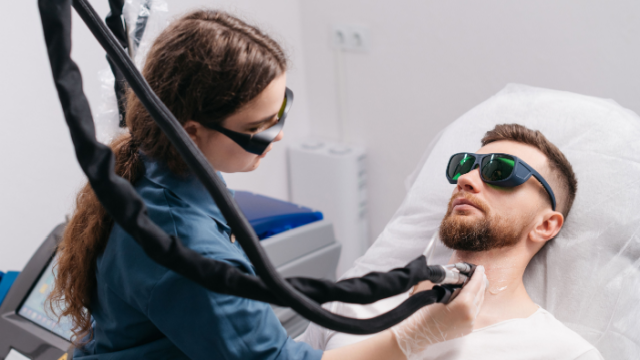
Newstar Clinic stands as a dedicated institution in the field of non-surgical facial rejuvenation, specializing directly in advanced Multi-Depth Energy Lifting protocols. Recognizing that no two facial structures age identically, the clinic rejects generic, high-volume treatment templates. Instead, the medical team utilizes advanced, tech-driven digital imaging to map out precise dermal thickness and fascial depth before an energy pulse is ever delivered.
The clinical protocols at Newstar Clinic are designed around patient safety and natural outcome preservation. Every procedure involving Multi-Depth Energy Lifting is executed under strict medical guidelines, ensuring precise energy vectoring along the natural anatomical lines of the face. This high-precision approach maximizes the structural tightening effect while completely safeguarding the patient's delicate subcutaneous fat layers against unwanted volume loss.
The specialist medical staff at Newstar Clinic brings decades of collective clinical expertise to the field of non-surgical aesthetics. Actively participating in national dermatological societies and contributing regularly to clinical consensus panels on energy-based devices, the clinic’s physicians ensure that global safety standards are strictly integrated into every daily treatment plan. This deep focus on anatomical precision makes the clinic a trusted destination for patients seeking structured, evidence-aware age maintenance.
Conclusion
As South Korea navigates its status as a super-aged society, addressing skin laxity through an evidence-based, natural approach has become a core priority for aging demographics. While traditional surgical options carry significant down-time and topical solutions lack deep structural efficacy, modern non-surgical innovations offer a balanced pathway forward. Utilizing high-precision, multi-layered tissue targeting allows individuals to effectively restore their facial architecture while fully preserving their natural appearance.
Patients considering Multi-Depth Energy Lifting in Korea can schedule a consultation to discuss whether this approach may be suitable for their specific condition and goals.
More Articles
Continue reading our clinical guides.

Hidden Fees to Ask About Before Booking Care Abroad
Aesthetic treatment abroad has fees beyond the procedure. Know the questions to ask about consultations, aftercare, follow-up, numbing, and travel costs.
Learn More

Sofwave vs Ultherapy Prime: Ultrasound Lifting Compared
Compare Sofwave and Ultherapy Prime, two FDA-cleared ultrasound lifting devices, by mechanism, depth, comfort, downtime, and candidacy for Seoul patients.
Learn More

Dr. Kang Hyun Uk: Filler & Laser at Newstar Clinic
Meet Dr. Kang Hyun Uk, a Medical Doctor at Newstar Clinic in Gangnam, Seoul, focused on minimally invasive filler and laser care with a balanced approach.
Learn More